
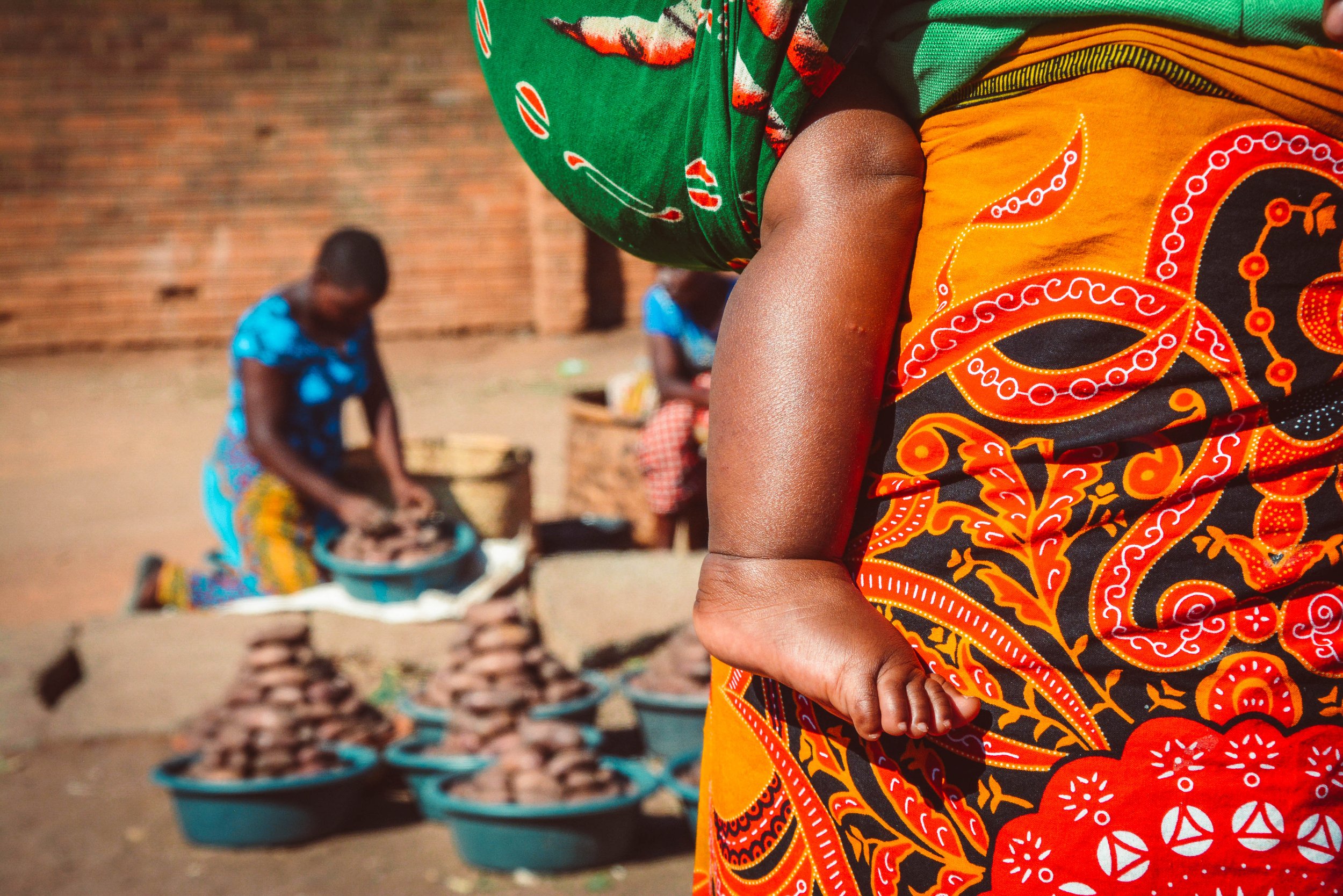
Every minute a woman
dies of complications related to pregnancy and childbirth.
Almost all of them-99%-live and die in developing countries.
Who We’re Helping
Some Shocking Facts:
Almost every minute, a woman dies of complications related to pregnancy and childbirth. This is more than 500,000 women annually. Almost every single one of them lives and dies in developing countries.
There is a huge disparity between countries. In Sub-Saharan Africa, a woman's risk of dying from treatable or preventable complications of pregnancy and childbirth over the course of her lifetime is 1 in 22, compared to 1 in 7,300 in developed regions. The risk for a woman who lives in Niger is 1 in 7, compared to 1 in 17,400 in Sweden.
Motherless children are up to 10 times more likely to die prematurely than those with mothers, and every year more than 1 million children are left motherless.
In Uganda, approximately 6,000 women die each year from pregnancy-related causes, and approximately 10 to 20 times that number survive with chronic and debilitating conditions. Additionally, out of every 1000 babies that are born, 29 die within the first month of life. This problem is multi-factorial and involves not only the social determinants of health, including women's empowerment, poverty, gender inequality and gender-based violence, but also education and cultural factors.
Life for Mothers is working to improve women’s access to healthcare, empower women, end gender-based violence, fight stigma, and promote gender equality.
Follow us on LinkedIn to see what we’re doing and stay up-to-date on how we’re affecting change

Our Organization
Find out about our mission, methods, and the results of our years of advocacy.
“In Africa and South Asia, complications during pregnancy and childbirth are the leading cause of death for women of childbearing age.”

Take Action
Ready to take the next step? You can become a contributor to our cause, or participate yourself.